

Changing careers can be exciting, but it also requires practical planning. Adults moving into dental assisting may be balancing work, family responsibilities, transportation, and financial commitments at the same time they are learning an entirely new professional environment. For these students, local training can offer advantages that go beyond convenience.
The goal is not simply to find the closest school. It is to find a program that is accessible enough to attend consistently while still providing the instruction and practical experience needed for an entry-level role.
A Shorter Commute Can Improve Consistency
Training is easier to sustain when attending class does not require an exhausting journey. A local program can reduce travel time and make it easier to arrive on time for practical sessions.
People searching for Dental Assistant Schools in Philadelphia Pa should consider how the location fits into their weekly schedule. A school may look close on a map but still be difficult to reach during rush hour or from a particular transit route.
Visit the location or test the commute before enrolling if possible. Knowing the actual travel time can prevent unpleasant surprises once classes begin.
Career Changers Need a Manageable Schedule
Many adult learners cannot stop working while they train. Evening, weekend, or hybrid options may make career education more realistic.
Before choosing a course, ask exactly when in-person attendance is required and how much independent study is expected each week. Flexible learning is useful only when students understand the workload and plan time for it.
A self-paced online component can help, but it also requires discipline. Students should create regular study hours rather than waiting until the end of the week to complete all assignments.
Local Training Can Make the Environment Feel More Relevant
Dental practices operate within local communities. Although core dental-assisting skills are transferable, students often find it useful to train in the same general area where they hope to work.
A local program may expose students to the pace, patient population, and professional expectations common to nearby practices. It may also make it easier to attend career events, interviews, or networking opportunities without long-distance travel.
When reviewing Dental Assistant Schools Philadelphia listings, students can ask whether instructors have current dental-office experience and whether career preparation addresses the local job market.
Hands-On Learning Builds Confidence
Career changers often worry that everyone else will already know more than they do. A beginner-focused program should assume that students are learning from the ground up.
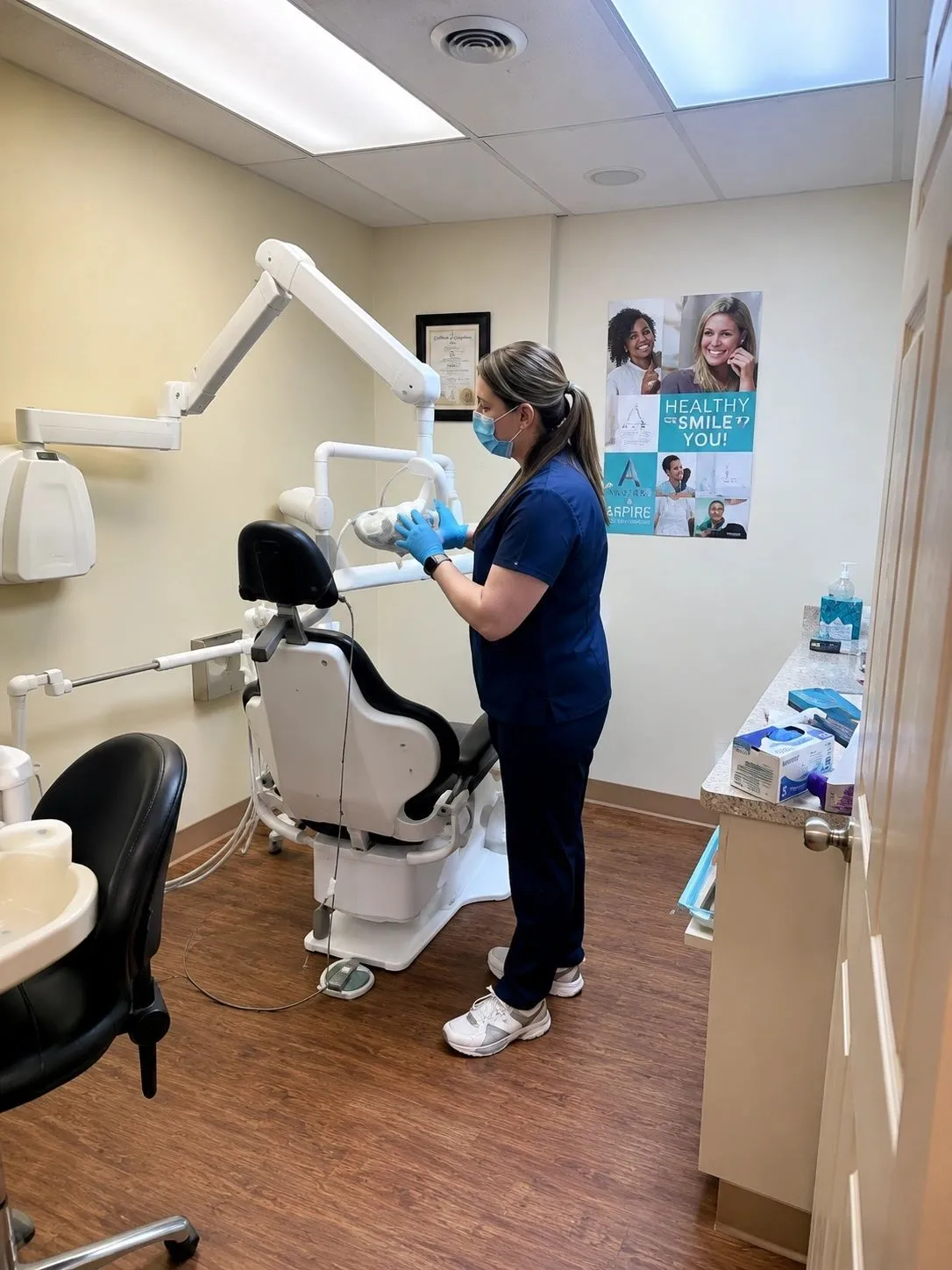
Practical sessions can help students become familiar with instruments, room setup, infection-control procedures, dental materials, and chairside coordination. These tasks may feel awkward at first, which is normal.
The value comes from repeating them with guidance. Each successful practice session can turn an unfamiliar task into something more manageable.
Professional Skills Transfer From Other Careers
Career changers should not assume their previous experience is irrelevant. Many skills transfer well into dental assisting.
Customer-service experience can support patient communication. Retail or hospitality work may develop speed, organization and teamwork. Administrative roles may provide experience with scheduling, records, and professional communication. Caregiving can build patience and awareness of how people respond when they are anxious or uncomfortable.
During training and interviews, students should learn how to connect these existing strengths to the responsibilities of a dental office.
Check Credential Requirements Early
A career change is easier to plan when students understand what happens after the course.
Ask what certificate or documentation the school provides at completion. Then check whether the state requires registration, examinations, radiography qualifications, or additional education for particular duties.
Do this before enrollment, not after graduation. Knowing the steps in advance helps students budget for fees, schedule examinations, and avoid assuming that one course automatically covers every credential.
Evaluate Cost as Part of the Career Plan
Tuition should be considered alongside transportation, supplies, work hours, and any examination or credential expenses that may come later.
Career changers may benefit from asking about payment options, workforce programs, employer assistance, or other funding sources. Eligibility varies, so students should verify details directly with the relevant provider. A realistic budget reduces the chance that financial pressure interrupts training halfway through.
Conclusion
Local dental assistant training can make a career transition more manageable by reducing travel, supporting consistent attendance, and connecting education with the area where a student hopes to work. However, location should be considered together with curriculum, hands-on practice, schedule, credential information, and total cost.
For adults entering a new profession, the best program is one that fits real life while still demanding meaningful learning. With careful planning, transferable skills, and consistent practice, a career changer can build a solid foundation for beginning work in a dental environment.